

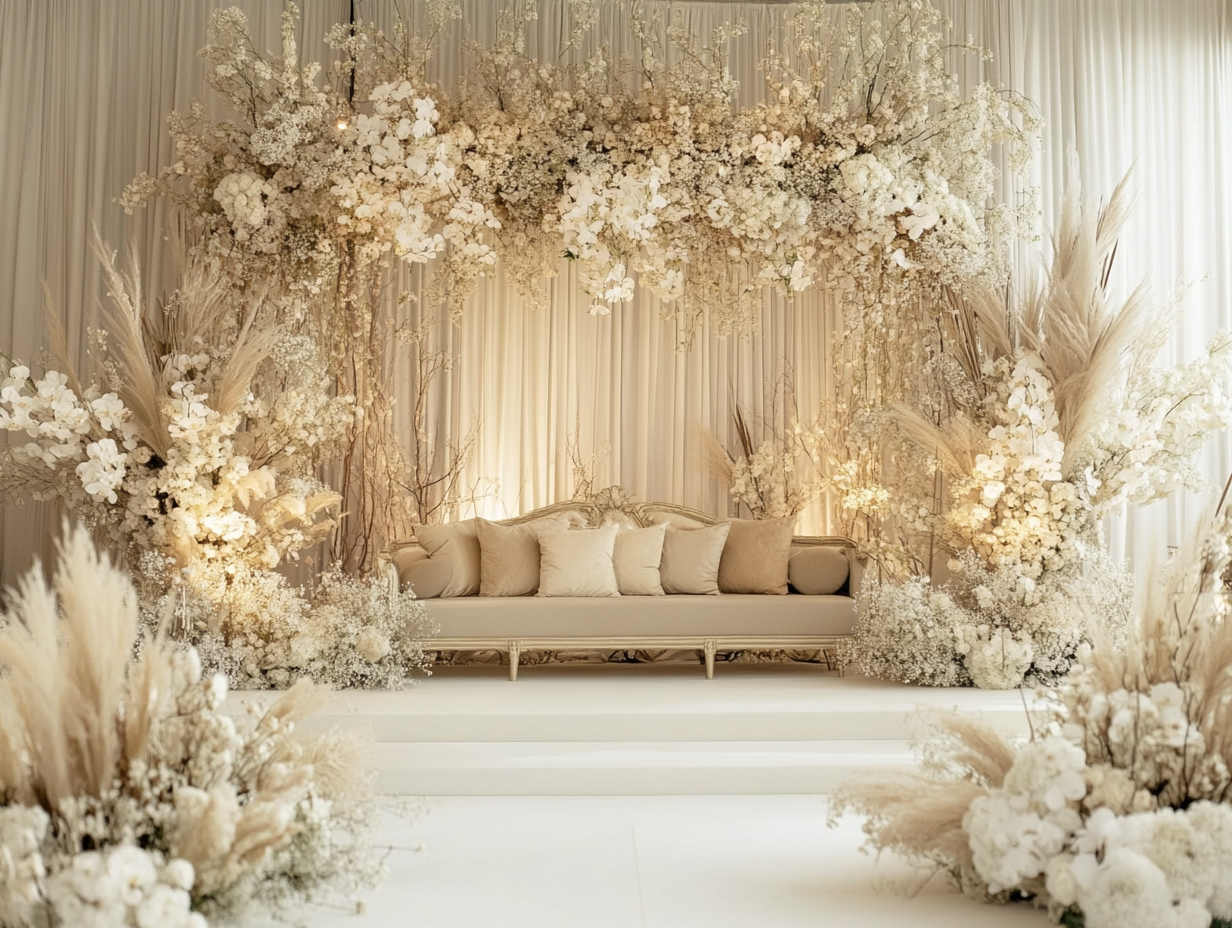
When planning an event, the color palette you choose sets the tone and creates a lasting impression. While vibrant hues often steal the spotlight, neutral color palettes have gained popularity for their versatility and timeless elegance. These subdued tones can transform any venue into a sophisticated space, allowing other design elements to shine.
Neutral colors aren’t just limited to beige and white. From warm taupe to cool gray, the spectrum of neutral shades offers endless possibilities for creating a cohesive and stylish event design. Whether you’re organizing a wedding, corporate gathering, or intimate dinner party, a well-curated neutral palette can provide a harmonious backdrop that complements various themes and styles.
Understanding Neutral Color Palettes for Events
Neutral color palettes offer versatility and timeless elegance for event design. These palettes include shades of black, white, gray, beige, tan, and cream, providing a flexible foundation for various event types and seasons. By understanding the characteristics and benefits of neutral colors, you’ll create sophisticated and harmonious event spaces.
Versatility and Timelessness
Neutral colors transcend seasonal trends and specific themes, making them suitable for events throughout the year. This versatility allows you to:
- Adapt the palette to different event types, from weddings to corporate gatherings
- Create a cohesive look that complements various decor elements
- Easily incorporate seasonal accents or pops of color without clashing
Creating Elegance and Sophistication
Neutral palettes bring an air of refinement to your event space. They achieve this by:
- Providing a clean and polished backdrop for other design elements
- Allowing statement pieces or focal points to stand out
- Creating a sense of calm and balance in the overall aesthetic
Complementing the Venue
When selecting a neutral color palette, consider the venue’s existing color scheme. Neutral colors can:
- Harmonize with the venue’s architectural features and fixtures
- Enhance the natural lighting and ambiance of the space
- Create a cohesive visual experience that flows seamlessly from room to room
Importance of Texture
To elevate a neutral color palette from ordinary to exceptional, focus on incorporating diverse textures. This approach adds depth and visual interest to your event design. Consider:
- Mixing high-gloss finishes with matte surfaces
- Incorporating woven fabrics and natural fibers
- Using materials like velvet, linen, or silk to create tactile contrast
Layering Shades
Create a dynamic neutral palette by gently layering different shades. This technique adds dimension and prevents the design from feeling flat or monotonous. Try:
- Combining warm and cool neutral tones
- Using varying intensities of the same color family
- Incorporating metallic accents for subtle shimmer and depth
By mastering these aspects of neutral color palettes, you’ll create event designs that are sophisticated, versatile, and visually captivating.
Benefits of Using Neutral Colors in Event Design
Neutral colors offer numerous advantages in event design, enhancing the overall experience and creating a sophisticated atmosphere. Here are key benefits of incorporating a neutral palette:
- Versatility and Timelessness
- Neutral shades work for any season or event type
- Colors like black, white, gray, beige, and cream remain fashionable year-round
- Adaptable to various themes and styles
- Elegance and Sophistication
- Instantly elevate the event space
- Create a refined ambiance
- Suitable for weddings, corporate events, and formal gatherings
- Harmonious Venue Integration
- Complement existing venue colors
- Blend seamlessly with fixtures and fittings
- Ensure a cohesive look throughout the space
- Enhanced Focus on Key Elements
- Provide a clean backdrop for statement pieces
- Highlight important decor, floral arrangements, or centerpieces
- Draw attention to the event’s focal points
- Calming Atmosphere
- Create a sense of tranquility
- Reduce visual clutter
- Promote a relaxed environment for guests
- Flexibility in Accent Colors
- Allow for easy incorporation of seasonal or themed accents
- Provide a base for pops of color or metallic elements
- Facilitate last-minute design changes or additions
- Photogenic Quality
- Produce timeless, high-quality photographs
- Create a flattering backdrop for guests and decor
- Ensure consistent aesthetics in event documentation
- Cost-Effective Design
- Simplify decor choices and reduce expenses
- Allow for easy repurposing of items for future events
- Minimize the need for extensive color coordination
By leveraging these benefits, you’ll create a sophisticated and versatile event design that stands the test of time and appeals to a wide range of guests.
Popular Neutral Color Combinations
Neutral color combinations offer versatility and timeless elegance for event design. These popular pairings create sophisticated atmospheres suitable for various event themes and styles.
Cream and Beige
Cream and beige create a warm, inviting ambiance perfect for rustic or vintage-themed events. This combination:
- Pairs well with white or light gray for added depth
- Complements soft pastels and fresh greenery in spring-themed events
- Provides a natural, earthy backdrop for event decor
Gray and White
Gray and white form a classic, modern combination suitable for diverse event themes. This pairing:
- Offers versatility for contemporary and traditional settings
- Balances brightness with sophistication
- Creates a neutral foundation for accent colors or metallics
- Adds depth and dimension to neutral color schemes
- Works well for formal events and weddings
- Provides a sophisticated backdrop for floral arrangements and decor elements
Incorporating Texture with Neutral Colors
Texture plays a crucial role in elevating neutral color palettes for events. It adds depth, interest, and visual appeal to your design. Here’s how to effectively combine texture with neutral colors:
Using Various Textures
Pair neutral colors like black, white, gray, beige, and ivory with a variety of textures to create a rich and engaging atmosphere:
- Fabric: Incorporate different fabrics in neutral colors to add texture to seating, drapes, and tablecloths.
- Velvet: Adds a luxurious feel
- Linen: Provides a rustic or natural look
- Satin: Creates a smooth, elegant surface
- Wood and Metal: Introduce contrasting textures through:
- Wooden elements: chairs, tables, or decorative items
- Metal accents: bronze lanterns or end tables
- Greenery: Add organic textures with:
- Fresh flowers and leaves
- Dried plants like pampas grass
Layering Textures
Create depth and interest by layering different textures:
- Start with a base layer of smooth fabrics
- Add textured elements like woven blankets or throws
- Incorporate rougher textures through natural materials or textured wallcoverings
Balancing Textures
Maintain a cohesive look by balancing different textures:
- Pair smooth surfaces with rough textures
- Combine soft fabrics with hard materials
- Mix matte and glossy finishes
Texture in Lighting
Use lighting to enhance textures:
- Uplighting: Highlights textured walls or drapery
- Candlelight: Creates soft shadows on textured surfaces
- Pendant lights: Adds visual interest through unique shapes and materials
By incorporating these texture strategies, you’ll create a visually appealing and dynamic neutral color palette for your event, avoiding a flat or boring appearance.
Enhancing Neutral Palettes with Metallic Accents
Metallic accents elevate neutral color palettes, adding depth, sophistication, and visual interest to events. By incorporating these shimmering elements, you create a luxurious atmosphere without overpowering the elegant simplicity of your neutral base.
Gold and White
Gold accents paired with white or cream create a classic and modern aesthetic. Use gold in:
- Lighting fixtures
- Table centerpieces
- Place settings
- Invitations
- Cake decorations
This combination exudes elegance and works well for formal events, weddings, and upscale galas.
Silver and Gray
Silver accents combined with various shades of gray produce a sleek, contemporary look. Incorporate silver in:
- Chair backs
- Table runners
- Candle holders
- Vases
- Wall decorations
This pairing is ideal for corporate events, winter weddings, and modern celebrations.
Copper and Beige
Copper accents mixed with beige tones add warmth and a touch of rustic charm. Integrate copper through:
- Flatware
- Serving dishes
- Hanging decorations
- Picture frames
- Signage
This combination suits autumn events, industrial-chic weddings, and bohemian-inspired gatherings.
To maximize the impact of metallic accents:
- Use them sparingly to avoid overwhelming the neutral palette
- Vary the sizes and shapes of metallic elements for visual interest
- Balance shiny surfaces with matte finishes for depth
- Consider the lighting to enhance the metallic sheen
- Incorporate metallic textures in fabrics and linens for a cohesive look
By thoughtfully integrating metallic accents, you transform a simple neutral palette into a sophisticated and memorable event design.
Seasonal Considerations for Neutral Event Palettes
Spring Neutral Color Palettes
Spring events call for lighter, fresher neutral colors that reflect the season’s renewal and vibrancy. Opt for a palette that includes:
- Dove gray
- Ivory
- Silver
These classic yet romantic colors create an elegant atmosphere. Complement them with blush tones and fresh greenery to enhance the spring theme. For textiles and accents:
- Use cream-colored pashminas on wooden chairs
- Incorporate spring flowers like tulips or anemones in white boutonnieres
Create stunning bouquets and decor with:
- Ivory-colored garden roses
- Peonies
- White lilacs
- Leafy greenery
Summer Neutral Color Palettes
Summer events benefit from a modern and tropical theme using neutral colors. Consider incorporating:
- Crisp whites
- Sandy beiges
- Soft grays
These colors evoke a sense of freshness and relaxation, perfect for warm-weather gatherings. Enhance your summer neutral palette by:
- Adding pops of muted pastels
- Using natural materials like rattan or bamboo
- Incorporating tropical greenery for a lush feel
Fall Neutral Color Palettes
Fall events call for warmer, richer neutral tones that reflect the changing seasons. Consider:
- Warm taupe
- Soft camel
- Muted olive
These colors create a cozy, inviting atmosphere for autumn gatherings. Enhance your fall neutral palette by:
- Incorporating deep oranges or burgundies as accents
- Using natural elements like wood and dried flowers
- Adding texture with velvet or wool fabrics
Winter Neutral Color Palettes
Winter events benefit from cool, crisp neutral tones that evoke a sense of elegance and sophistication. Consider:
- Pure white
- Icy gray
- Soft cream
These colors create a clean, fresh backdrop for winter celebrations. Enhance your winter neutral palette by:
- Adding metallic accents like silver or gold
- Incorporating deep jewel tones for contrast
- Using crystal or glass elements for a frosty effect
By tailoring your neutral color palette to the season, you’ll create an event atmosphere that feels timely and appropriate. Remember to consider the venue’s existing color scheme and incorporate diverse textures to add depth and visual interest to your seasonal neutral palette.
Balancing Neutral Colors with Pops of Color
Neutral color palettes provide a sophisticated foundation for event design, but incorporating pops of color enhances visual interest and creates a more engaging atmosphere. Here’s how to strike the perfect balance:
Choosing Neutral Colors
Select a range of neutral shades as your base palette:
- Black, white, and gray for a modern, sleek look
- Beige, cream, and earth tones for a warm, inviting ambiance
- Charcoal gray and dark brown for a rich, elegant feel
Adding Pops of Color
Introduce vibrant accents strategically to complement your neutral base:
- Use colorful table linens or runners
- Incorporate bright floral arrangements
- Add colored glassware or charger plates
- Include colorful cushions or throw pillows
Seasonal Accents
Adapt your color pops to match the season:
- Spring: Blush tones and fresh greenery with ivory and gray
- Summer: Vibrant blues or yellows with crisp whites
- Fall: Deep oranges or burgundies with warm taupe
- Winter: Jewel tones or metallics with icy grays
Balancing Techniques
Create harmony between neutrals and color pops:
- Follow the 80/20 rule: 80% neutral, 20% color
- Use color in varying intensities throughout the space
- Repeat accent colors in different elements for cohesion
- Incorporate patterns that blend neutrals with pops of color
By thoughtfully balancing neutral colors with strategic pops of color, you’ll create a visually dynamic and memorable event design that maintains sophistication while adding energy and personality to the space.
Lighting Techniques for Neutral Color Schemes
Lighting techniques play a crucial role in enhancing the overall aesthetic and atmosphere of neutral color palettes for events. By implementing the right lighting strategies, you’ll create a cohesive and visually appealing environment that complements your chosen neutral tones.
Harmonizing with the Venue
When implementing lighting for a neutral color scheme, it’s essential to consider the existing color palette of the venue:
- Choose lighting that complements the venue’s neutral-colored walls
- Avoid harsh or clashing colors that may disrupt the overall aesthetic
- Opt for lighting that enhances and reinforces the chosen neutral tones
Monochromatic Lighting
A monochromatic lighting approach can effectively reinforce a neutral color scheme:
- Use various shades and tints of one hue to create depth and interest
- Implement different intensities of the same color to add dimension
- Create a clean and cohesive look by using shades and tints of white or gray lighting
Neutral Color Lighting Options
When selecting lighting fixtures and bulbs for your neutral color palette:
- Choose fixtures that emit neutral or white light
- Opt for warm white (2700-3000K) for a cozy atmosphere
- Use cool white (3500-4100K) for a crisp, modern look
- Implement daylight (5000-6500K) to mimic natural light
Layering Light
Create depth and visual interest in your neutral color scheme by layering different types of lighting:
- Ambient lighting: Use soft, diffused light to illuminate the entire space
- Accent lighting: Highlight specific areas or objects to create focal points
- Task lighting: Provide focused light for specific activities or areas
Dimming and Control
Implement dimming systems to adjust the intensity of your lighting:
- Create different moods throughout the event by adjusting light levels
- Enhance the versatility of your neutral color palette with varying light intensities
- Use smart lighting systems for precise control over color temperature and intensity
By carefully implementing these lighting techniques, you’ll enhance the sophistication and visual appeal of your neutral color palette, creating a memorable and engaging atmosphere for your event.
Applying Neutral Colors to Different Event Elements
Neutral colors offer versatility and elegance when applied to various event elements. By strategically incorporating these hues into decor, furniture, tableware, linens, and floral arrangements, you create a cohesive and sophisticated atmosphere for any occasion.
Decor and Furniture
Neutral-colored decor and furniture provide a timeless foundation for your event design. Use tans, beiges, creams, black, gray, and white to create a modern, sleek atmosphere. For a sophisticated look, incorporate dark neutrals like charcoal gray and dark brown, especially in fall or rustic-themed events. Lighter neutrals such as dove gray, ivory, and silver are ideal for spring and summer gatherings. White or beige chairs and tables offer a clean, elegant backdrop for other decorative elements. Enhance the aesthetic by adding shawls or throws in neutral colors like cream or gray.
Tableware and Linens
Neutral tableware and linens create a refined backdrop for culinary presentations and table decor. Choose white or ivory plates to showcase food beautifully. Complement these with table linens in subtle shades like taupe, light gray, or ecru. Mix and match textures to add depth, such as pairing smooth satin napkins with textured placemats. For a touch of elegance, incorporate metallic accents through silverware or charger plates in gold, silver, or rose gold tones.
Floral Arrangements
Neutral-toned floral arrangements add sophistication and natural beauty to your event space. Opt for white or cream blooms like roses, hydrangeas, or lilies to create a classic look. Incorporate greenery such as eucalyptus or dusty miller for a soft, muted appearance. For added texture, include dried elements like pampas grass or bleached ruscus. Arrange flowers in clear glass vases or neutral-colored ceramic containers to maintain the cohesive color scheme. By varying flower types and sizes within the neutral palette, you create visual interest without disrupting the overall aesthetic.
Neutral Color Palettes for Various Event Styles
Neutral color palettes offer versatility and adaptability for different event styles. By selecting the right combination of neutral hues, you can create atmospheres ranging from sleek and modern to rustic and natural, or timeless and elegant.
Modern and Minimalist
Modern and minimalist event designs thrive on neutral color palettes. Black, white, and shades of gray form the foundation of this style. Create a sleek, sophisticated atmosphere by using a monochromatic color scheme with various shades of gray or white. Incorporate metallic accents like silver or gold to add a touch of modern elegance without deviating from the neutral palette.
Rustic and Natural
For rustic and natural event themes, opt for warm neutral colors. Beige, taupe, and earthy tones such as dark brown and charcoal gray effectively capture the essence of nature. Combine these colors with natural textures like wood, burlap, and stone to enhance the organic feel. Incorporate subtle green accents through foliage or botanical elements to complete the natural aesthetic.
Elegant and Timeless
Elegant and timeless event designs benefit from soft, muted neutral palettes. Ivory, cream, and champagne tones create a sophisticated backdrop for formal occasions. Layer these colors with different textures and fabrics to add depth and visual interest. Enhance the elegance by incorporating subtle metallic accents like rose gold or pearl-toned elements. This classic neutral palette allows for easy customization with seasonal accents or pops of color through floral arrangements and table settings.
Conclusion
Neutral color palettes offer endless possibilities for creating sophisticated and versatile event designs. By thoughtfully selecting shades layering textures and incorporating strategic pops of color you can craft a timeless atmosphere that adapts to any season or theme. Remember to consider your venue’s existing colors and leverage lighting techniques to enhance the overall ambiance. With these tips in mind you’ll be well-equipped to design stunning events that leave a lasting impression on your guests. Embrace the power of neutrals and watch your event spaces transform into elegant and memorable settings.