


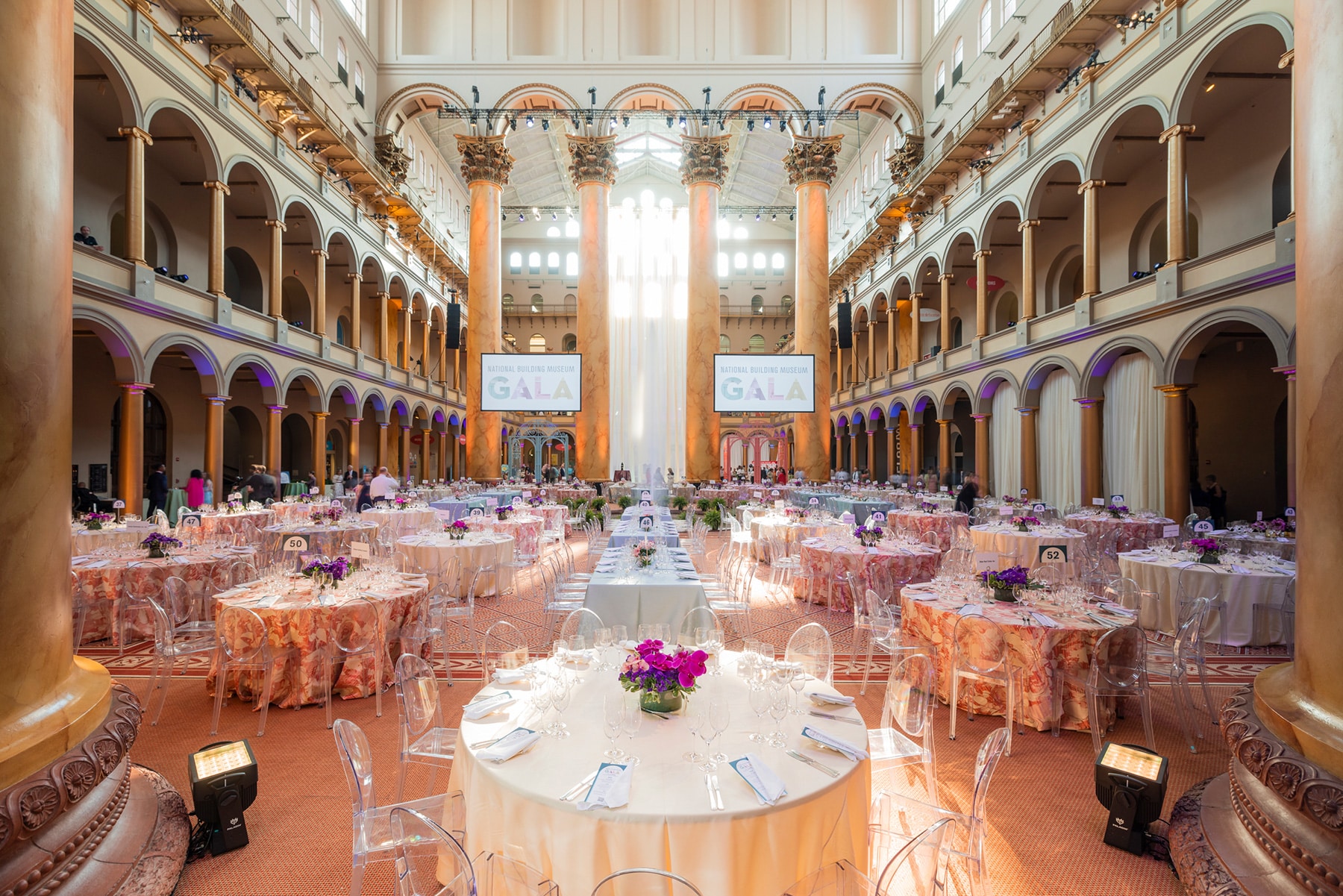
I’ve always been fascinated by the unique charm of museum event spaces. These versatile venues offer more than just a place to gather – they provide an immersive experience that combines culture, art, and history with modern amenities.
Museums have transformed their spaces to accommodate a wide range of functions, from intimate meetings to grand receptions. With options for groups of 4 to 400 guests, these venues boast high-tech facilities, exquisite design, and the added bonus of world-class exhibitions as a backdrop. Whether you’re planning a business luncheon, a wedding, or a cocktail party, museum event spaces offer an unparalleled atmosphere that’s sure to leave a lasting impression on your guests.
Understanding Museum Venues
Museum venues offer a unique blend of culture, history, and modern amenities for events. These spaces provide an unparalleled backdrop for a wide range of occasions, from intimate gatherings to grand celebrations.
Why Choose a Museum Venue
Built-in Atmosphere and Prestige
Museums exude an inherent elegance and cultural richness, elevating any event’s prestige. The Virginia Museum of Fine Arts, for example, combines timeless beauty with contemporary openness in its Marble Hall and Cochrane Atrium.
Educational Value Add
Events at museums often include access to exhibitions, adding an educational component to the experience. This unique feature enriches guest interactions and creates memorable experiences beyond typical venue offerings.
Multiple Space Options
Museums typically provide diverse spaces to accommodate various event needs. The Virginia Museum of Fine Arts offers a 13-acre campus with two buildings and a Sculpture Garden, presenting options from formal and classical to dramatic and contemporary settings.
Available Space Types
Exhibition Halls and Galleries
Large events like receptions and dinners often utilize exhibition halls and galleries. These spaces can accommodate substantial guest numbers while providing a captivating atmosphere surrounded by art and artifacts.
Outdoor and Garden Areas
Many museums feature outdoor spaces perfect for events. The Virginia Museum of Fine Arts’ Lora Robins Sculpture Garden offers a stunning backdrop for gatherings, connecting indoor and outdoor experiences seamlessly.
Support Spaces and Amenities
Museums often include essential support areas such as prep kitchens and elevators. The Upcountry History Museum, for instance, provides a first-floor prep kitchen with an ice maker and restaurant-grade refrigerator, facilitating smooth event operations.
Private Rooms and Theaters
For more intimate gatherings or specialized events, museums often offer private rooms and theaters. These spaces provide a more secluded atmosphere while maintaining the venue’s unique character.
Initial Planning Steps
Site Visit Requirements
Scheduling a site visit is crucial for understanding the venue’s layout and capabilities. Many museums, like the Virginia Museum of Fine Arts, offer guided tours with experienced staff to help visualize event possibilities.
Space Assessment Checklist
When evaluating museum spaces, consider factors such as capacity, layout flexibility, and existing decor. The Museum of the Bible, for example, offers a range of event spaces that are comfortable, high-tech, and exquisitely designed.
Capacity Planning
Museums can accommodate various group sizes, from small meetings to large receptions. The Museum of the Bible can host events for 4 to 400 guests, demonstrating the versatility of museum venues.
Budget Considerations
Museum venue fees often include essential services. The Virginia Museum of Fine Arts’ usage fees, based on four-hour events, typically cover tables, chairs, setup, cleanup, linens, china, glass, silver, housekeeping, security, and event coordinator assistance.
Regulatory and Legal Requirements
Museum event spaces operate under strict regulatory and legal frameworks to ensure safety, compliance, and protection of valuable artifacts. These requirements cover various aspects of event planning and execution.
Insurance Requirements
Event Liability Coverage
Event organizers must secure comprehensive liability insurance for their museum-hosted events. The National Museum of the American Indian mandates a minimum of $2 million per occurrence for general liability, increasing to $5 million for events with over 2,000 attendees. This coverage protects against potential accidents or injuries during the event.
Artwork Protection Policies
Museums often require additional insurance to safeguard their collections. Event planners should inquire about specific artwork protection policies and consider obtaining supplementary coverage to mitigate risks associated with proximity to valuable exhibits.
Vendor Insurance Needs
Vendors, particularly those serving alcohol, must provide their own insurance certificates. At the National Museum of the American Indian, alcohol vendors need separate coverage, ensuring all aspects of the event are properly insured.
Damage Deposits
Many museums collect damage deposits to cover potential harm to facilities or artifacts. These deposits are typically refundable if no damage occurs during the event.
Museum-Specific Rules
Artwork Proximity Guidelines
Museums enforce strict rules about guest proximity to artwork. Event layouts must accommodate these guidelines, often requiring specific distances between food service areas and exhibits.
Photography and Social Media Policies
Each museum has unique policies regarding photography and social media use. Some may restrict flash photography or limit social media posts to protect copyright and preserve the museum experience.
Sound Level Restrictions
To protect sensitive artifacts and maintain a suitable environment, museums often impose sound level restrictions. Event planners must work within these limits when planning entertainment and audio setups.
Temperature Control Requirements
Museums maintain precise climate control to preserve artifacts. Event plans must account for these requirements, potentially limiting decoration options or guest activities that could affect temperature or humidity.
Staffing Requirements
Security Personnel
Museums typically require the presence of their own security staff during events. This ensures proper oversight of valuable collections and adherence to museum protocols.
Museum Liaisons
A museum liaison is often assigned to each event, serving as a point of contact for organizers and ensuring compliance with museum policies throughout the planning and execution phases.
Required Event Staff
Specific staffing requirements may be mandated by the museum, such as trained bartenders for events serving alcohol or certified technicians for operating museum equipment.
Optional Staff Add-ons
Museums may offer additional staff services, such as docents for guided tours or specialized personnel for interactive exhibits, enhancing the event experience while ensuring proper handling of museum resources.
Logistical Planning
Orchestrating events in museum spaces demands meticulous attention to detail and a deep understanding of the venue’s unique requirements. I’ll explore the critical aspects of logistical planning that ensure seamless execution of museum events.
Access and Timing
Museum event spaces operate under strict schedules to protect their collections and maintain daily operations. I’ve found that coordinating access and timing is crucial for a smooth event flow.
Loading Dock Specifications
Loading docks at museums are often designed to accommodate specific vehicle types and sizes. It’s essential to verify the dock’s dimensions, weight capacity, and available equipment like pallet jacks or forklifts.
Service Elevator Access
Many museums have dedicated service elevators for transporting event materials. I always confirm the elevator’s size, weight limit, and operating hours to plan efficient load-in and load-out processes.
Setup Windows
Museums typically allocate specific time slots for event setup. At The Andy Warhol Museum, for instance, setup can begin one hour before closing, usually at 4 p.m. I work closely with museum staff to maximize these windows without disrupting visitor experiences.
Breakdown Requirements
Post-event breakdown often has tight deadlines to prepare the space for the next day’s visitors. I create detailed schedules for vendors and staff to ensure prompt and thorough cleanup within the allotted time frame.
Technical Infrastructure
Understanding and leveraging a museum’s technical capabilities is key to enhancing event production value while respecting the venue’s limitations.
Power Sources and Distribution
I map out available power sources and plan distribution to support lighting, audio-visual equipment, and catering needs without overloading the museum’s electrical system.
Lighting Systems
Museums often have sophisticated lighting systems to showcase their exhibits. I collaborate with in-house technicians to adapt these systems for event ambiance while preserving artwork integrity.
WiFi and Communication
Reliable internet connectivity is crucial for modern events. I test WiFi coverage and speed in all event areas and arrange for additional hotspots if necessary to support guest needs and event technology.
Climate Control Access
Maintaining proper temperature and humidity levels is vital for artwork preservation. I consult with museum conservators to understand climate control parameters and adjust event plans accordingly.
Support Areas
Efficient use of support areas ensures smooth event operations and guest comfort.
Catering Prep Spaces
I identify designated catering prep areas and communicate their specifications to food service providers, ensuring they’re equipped to handle the event’s culinary requirements within museum constraints.
Storage Solutions
Secure storage for event materials is often limited in museums. I develop creative solutions for temporary storage, balancing accessibility with the need to maintain uncluttered public spaces.
Restroom Facilities
Assessing restroom capacity and location is crucial for guest comfort. For larger events, I arrange for additional portable facilities when necessary, placed discreetly to maintain the venue’s aesthetic.
Coat Check Areas
In cooler months, coat check services become essential. I designate secure areas for coat storage, staffing them appropriately to manage guest belongings efficiently without impacting exhibit spaces.
Space Planning
Space planning is crucial for successful events in museum settings. It requires a delicate balance between maximizing guest experience and preserving the museum’s integrity.
Traffic Flow Design
Guest Circulation Patterns
I create intuitive pathways that guide guests seamlessly through the event space. Wide aisles and clear signage prevent bottlenecks and ensure smooth movement between exhibits and event areas.
Exhibition Protection Measures
I implement strategic barriers and designated viewing areas to safeguard artwork. Careful placement of food stations and seating minimizes risks to valuable pieces while maintaining their visibility.
Emergency Exit Routes
I design clear, unobstructed paths to emergency exits, marked with visible signage. These routes integrate seamlessly with the event layout, prioritizing guest safety without disrupting the overall ambiance.
Room Transition Management
I plan for smooth transitions between different museum spaces. This includes coordinating with staff to manage guest flow during multi-room events and ensuring accessibility for all attendees.
Layout Optimization
Seating Arrangements
I tailor seating configurations to the event type and guest list. For the RISD Museum’s Grand Gallery, I’ve arranged 150 seats for sit-down dinners, maximizing space without compromising comfort or sight lines.
Food Station Placement
Strategic placement of food stations enhances guest flow and minimizes congestion. I position stations away from narrow passages and valuable exhibits, creating natural gathering points that don’t impede circulation.
Entertainment Areas
I designate specific zones for entertainment, ensuring they complement the museum’s atmosphere. In spaces like the Rubell Museum’s 7,300 sq. ft. East Wing, I create versatile areas adaptable for various event types.
Registration Setup
I design efficient registration areas near entrances, facilitating smooth check-ins without causing bottlenecks. This often includes digital solutions to streamline the process and reduce wait times.
Design Integration
Museum Aesthetic Compliance
I ensure all event elements align with the museum’s aesthetic. This involves selecting decor, signage, and temporary structures that complement the existing architecture and artwork.
Furniture Selection
I choose furniture that balances functionality with the museum’s style. For cocktail receptions at the Corning Museum of Glass, I’ve selected high-top tables and sleek bar stools that echo the museum’s modern design.
Lighting Enhancement
I work with the museum’s existing lighting systems to enhance the ambiance while protecting light-sensitive exhibits. This often involves temporary lighting solutions that highlight event areas without compromising artwork preservation.
Temporary Installations
I collaborate with museum curators to integrate event-specific installations. These temporary additions enhance the theme while respecting the museum’s curatorial vision and preservation requirements.
Operations Management
Effective operations management is the cornerstone of successful museum event spaces. I’ve found that creating a comprehensive facility-use policy and leveraging event management software are crucial for streamlining processes and enhancing efficiency.
Vendor Coordination
Approved Vendor Lists
I maintain a curated list of approved vendors who understand our museum’s unique requirements. This list includes caterers, florists, and DJs who’ve demonstrated their ability to work within our guidelines, ensuring seamless event execution.
Setup Protocols
Clear setup protocols are essential. I’ve established step-by-step procedures for vendors, covering everything from load-in times to equipment placement. These protocols protect our exhibits while facilitating smooth event preparations.
Equipment Guidelines
Specific equipment guidelines prevent damage to our facilities. I’ve outlined permissible audio-visual setups, lighting configurations, and décor installations that complement our museum’s aesthetics without compromising safety or preservation standards.
Timeline Management
Precise timeline management is critical. I use a detailed schedule template for each event, allocating specific time slots for setup, guest arrival, catering service, and breakdown. This approach minimizes conflicts and ensures efficient use of our spaces.
Guest Experience
Exhibition Access
I coordinate with curators to provide controlled exhibition access during events. This might involve roping off certain areas or arranging for additional security to monitor guest interactions with displays.
Guided Tours
For an enhanced experience, I offer tailored guided tours. These brief, focused tours highlight key exhibits relevant to the event theme, adding educational value without disrupting the main activities.
Interactive Elements
I incorporate interactive elements that align with our collections. This could include themed photo booths inspired by exhibits or digital kiosks with touchscreen displays of museum artifacts.
Comfort Considerations
Guest comfort is paramount. I ensure adequate seating areas, strategically placed refreshment stations, and clear signage for amenities. Temperature control is carefully monitored to accommodate both guest comfort and artwork preservation.
Problem Prevention
Common Challenges
I’ve identified common challenges such as last-minute layout changes, technical glitches, and unexpected guest counts. By anticipating these issues, I’ve developed proactive strategies to address them swiftly.
Solution Strategies
My solution strategies include maintaining flexible floor plans, having on-call technical support, and preparing scalable catering options. These approaches allow for quick adjustments without compromising event quality.
Emergency Protocols
Clear emergency protocols are in place for various scenarios. I’ve trained staff on evacuation procedures, medical emergencies, and security threats, ensuring a coordinated response to any situation.
Backup Plans
I always have backup plans ready. This includes alternative spaces for outdoor events in case of inclement weather, reserve equipment for technical failures, and standby staff for unexpected absences. These contingencies ensure events proceed smoothly regardless of unforeseen circumstances.
Conclusion
Museum event spaces offer a unique blend of culture elegance and functionality. They’re not just venues but experiences that elevate any occasion. From intimate gatherings to grand galas these spaces provide versatility and sophistication.
I’ve explored the intricacies of planning logistics and operations in these distinctive settings. It’s clear that with careful consideration of regulations guest comfort and preservation needs museum event spaces can create unforgettable moments.
For those seeking a venue that goes beyond the ordinary museum event spaces are an exceptional choice. They promise not just a location but a journey through art history and culture making every event truly extraordinary.